 |
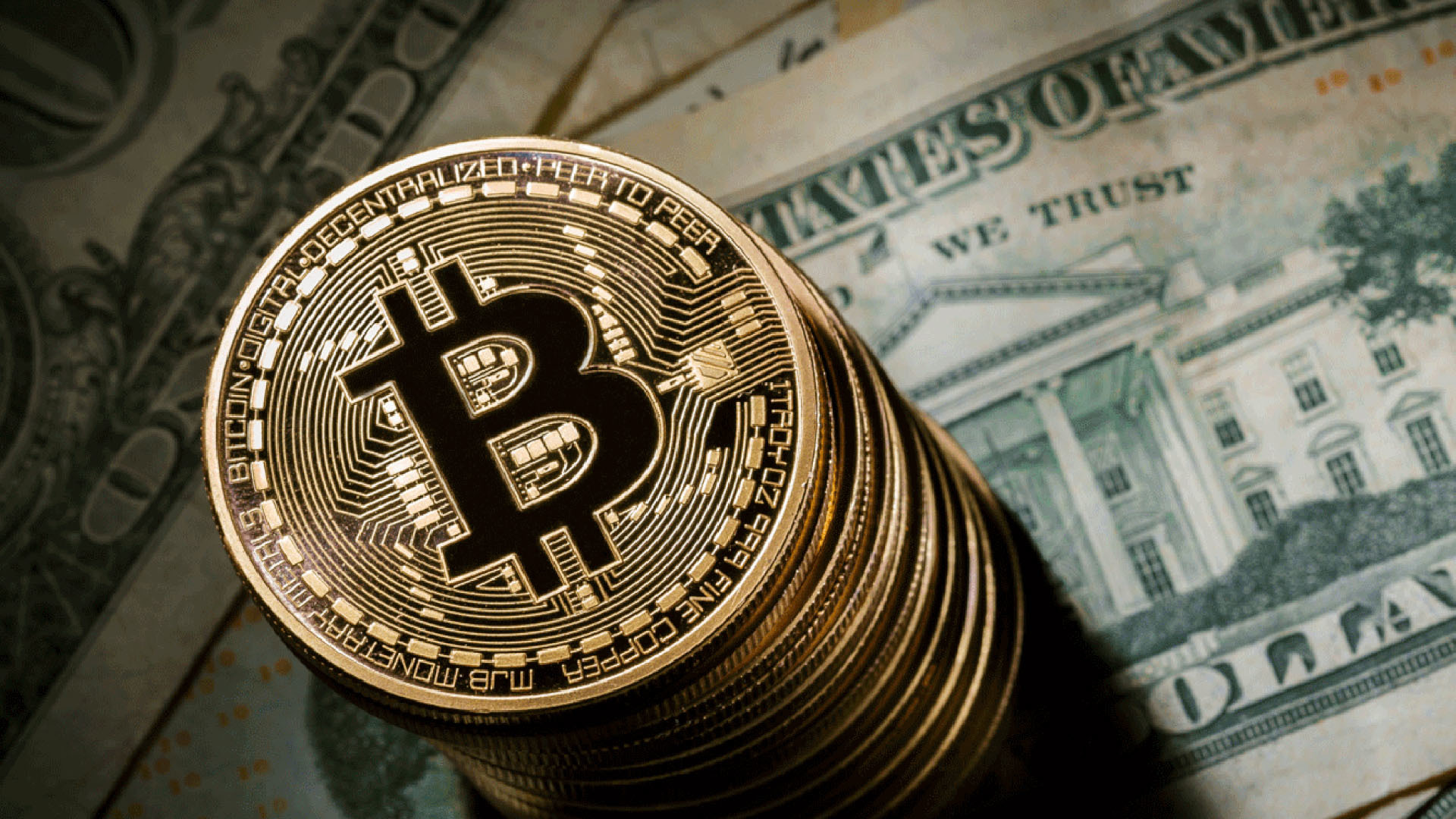
| Bitcoin - A Digital Currency |
Digital Currency, despite its infancy, is already an emerging technology utilised by many. Proponents of digital currency hail its potential to revolutionise financial inclusion. Unlike traditional banking systems with limitations on geographic reach and minimum account balances, digital currencies can empower the unbanked population. Imagine a world where individuals in remote villages or those lacking formal identification can access financial services through their smartphones. Digital currencies could streamline microtransactions, facilitate international remittances at lower costs, and empower individuals to participate more actively in the global economy. This increased access could fuel economic growth and reduce poverty, particularly in developing countries.
While digital currency is the next big step for our finance, we simply cannot forget to acknowledge its potential challenges that we may encounter. The lack of central oversight associated with some digital currencies raises concerns about security and stability. The decentralised nature can make them vulnerable to hacking and fraud, potentially leading to significant financial losses for us, the users. Furthermore, the volatility associated with some digital currencies raises questions about their sustainability for everyday transactions. Imagine the uncertainty of buying groceries with a currency whose value fluctuates wildly. These challenges need to be addressed through robust regulations and the development of secure digital infrastructure before the true potential of digital currency can be realised.
In conclusion, digital currency presents a fascinating paradox. It holds the promise of financial inclusion and efficiency on a global scale, but also carries inherent risks that require careful mitigation. The future of digital currency hinges on our ability to harness its potential benefits while addressing its shortcomings through responsible regulation and technological innovation.
- R. R. Nadales
References
Cited Source:
https://doi.org/10.29121/granthaalayah.v8.i8.2020.935
Image:
https://www.ineteconomics.org/uploads/featured/bitcoin-fiat.jpg


0 comments:
Post a Comment